
Course Overview
Join an exceptional ensemble of students and teachers and develop the knowledge, technical skills and creative practice needed to thrive in today’s arts and entertainment industry.
The Bachelor of Fine Arts (Acting) provides rigorous and varied training across four disciplines: Acting, Music, Movement and Voice. You can train as an actor or, if selected, follow the Singing Actor pathway. Across both pathways, you will develop a deep, holistic understanding of your craft and the technical ability to tell stories clearly, creatively, consistently and bravely.
Throughout the course, you will build foundational techniques before bringing your skills together through performance projects, productions and interdisciplinary collaborations with NIDA’s wider student community. You will learn from leading Australian and international practitioners and work in dedicated performance spaces.
The NIDA BFA (Acting) is an internationally recognised qualification. By the end of your training, you will have opportunities to showcase your skills to industry representatives and enter the profession as a flexible, adaptive and future-focused artist.
Singing Actor pathway
Introduced in 2020, the Singing Actor pathway recognises the growing opportunities for actors with advanced musical theatre skills, reflected in the success of NIDA alumni in major productions.
Built on NIDA’s foundation in classical and contemporary acting, selected students complete most of their training alongside the Acting cohort, including shared core training in acting, movement and spoken voice. Separately timetabled classes in advanced singing, musicianship, acting through song and dance further prepare students for contemporary musical theatre practice and the development of new Australian work.
This is a three-year, full-time course.
Students are generally required to attend NIDA from 9.00 am to 6.00 pm, Monday to Friday. During production periods, rehearsals and other course activities may also be scheduled in the evenings and on weekends.
Students should also allow time outside scheduled classes for research, library work, preparation and independent study. Studying at NIDA is a significant commitment, and maintaining regular part-time employment alongside the course may be difficult.
For semester dates, teaching periods, breaks and downloadable calendars, visit Student Calendars and Key Dates.
Students undertake progressive training across acting, movement, voice, music and performance-making over three years of study.
For full subject lists, credit points and progression structure, please refer to the Course Regulations relevant to your course.
If you would like a summary of the current course structure, you can download the 2026 Bachelor of Fine Arts (Acting) Course Overview below.
Graduates of the Bachelor of Fine Arts (Acting) will be able to apply advanced performance, collaboration, analytical and professional practice skills across a range of artistic contexts.
For the full list of course learning outcomes, please refer to the Course Regulations. If the regulations for your intended year of commencement are not yet available, refer to the most recently published regulations as a guide. Course requirements may change between years.
Graduates of the Bachelor of Fine Arts (Acting) will have the performance skills and theoretical knowledge to be employed in a range of industries, including television, film, theatre and radio.
Graduating students will have a professional portfolio through which to showcase their talent and have ample opportunities to connect with industry professionals including agents and casting directors.
Potential careers include
Actor for stage (theatre), screen (film, TV, digital) and music entertainment (music theatre, cabaret, musicals), event performance.
NIDA acting alumni include many of the most recognised and awarded actors in the world, including Cate Blanchett, Sam Worthington, Judy Davis, Sarah Snook, Richard Roxburgh, Remy Hii, Hugh Sheridan, Miranda Tapsell, Murray Bartlett, Uli Latukefu, Yerin Ha, Jack Patten and Sophie Wilde.
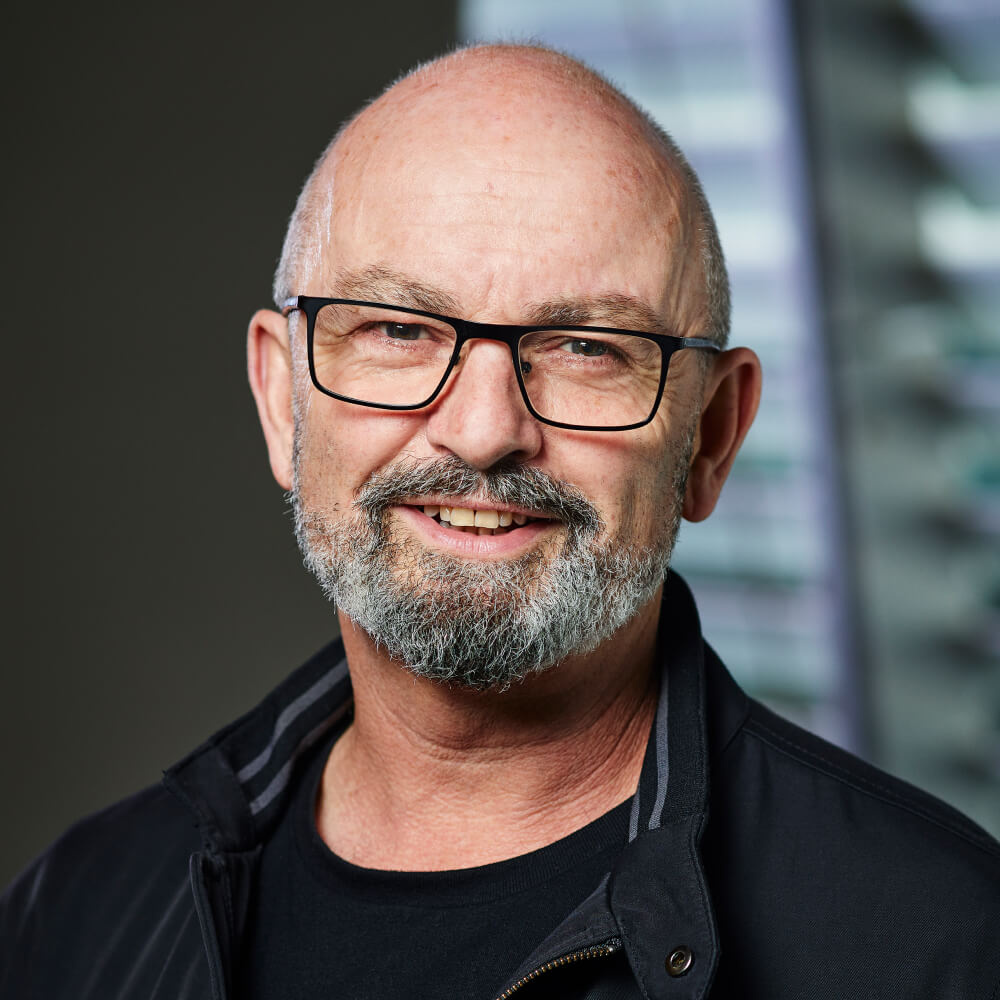
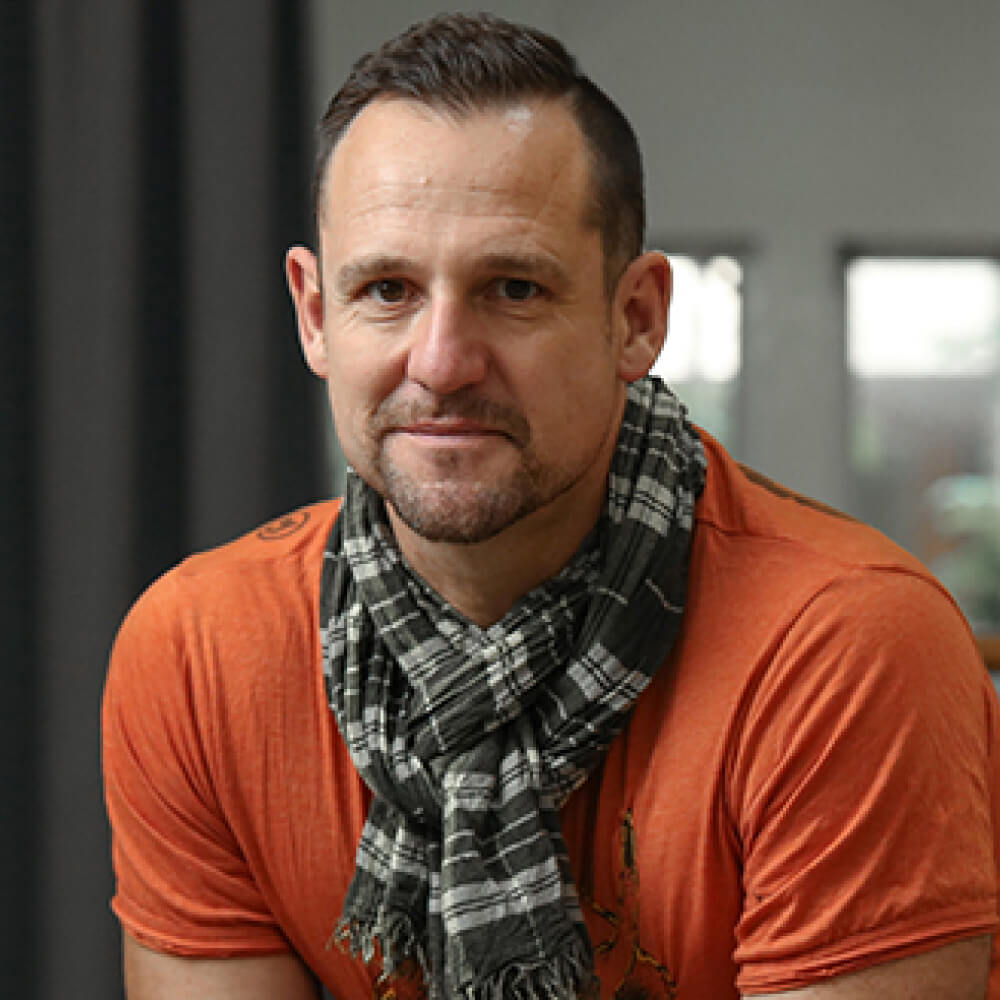
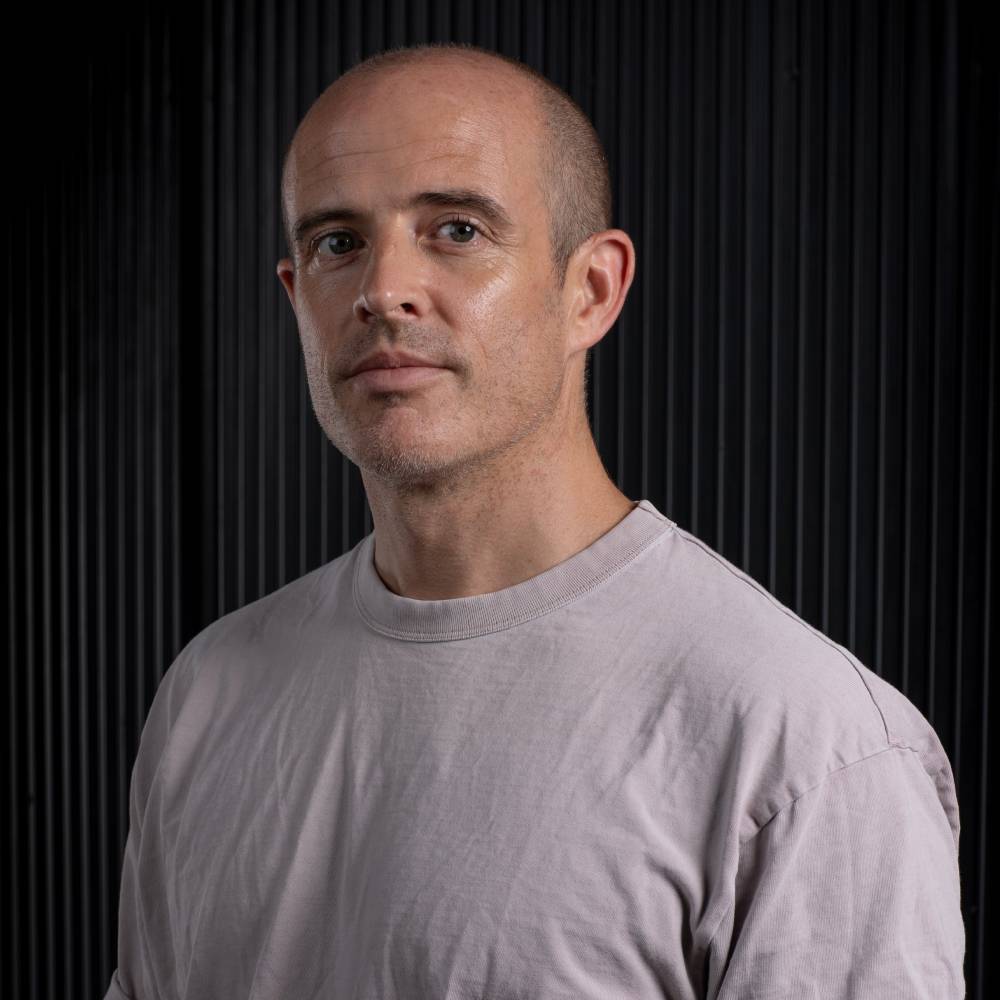
Meet the Team
Admissions Criteria
Applicants must meet NIDA’s general entry requirements.
Entry to the Bachelor of Fine Arts (Acting) is competitive and selection is based on merit. Applicants are assessed through their application and video audition, followed by an in-person recall audition for shortlisted applicants.
Once you’ve confirmed you meet NIDA’s general entry requirements, review the course-specific application requirements below to understand what you’ll need to submit and how the selection process works.
Applying to this course will involve:
Round One: Online Application and Video Audition
Round Two: In-Person Recall Audition (shortlisted applicants only)
View our Course Specific Application Requirements for a detailed breakdown of what to include in your online application and what to expect if you progress to Round Two of the application process.
NIDA encourages applications from students from diverse backgrounds, with different levels of experience in theatre, film, television or other areas.
We select students who:
- Demonstrate commitment and motivation in relation to the arts, entertainment and related industries, to their chosen discipline, and to the course of study.
- Provide evidence of their capacity to work creatively and imaginatively.
- Demonstrate an aptitude to collaborate with peers as part of a creative process.
- Demonstrate a range of knowledge, skills, technical abilities and/or problem-solving techniques relevant to their discipline.
- Demonstrate cultural and contextual awareness.
- Articulate and communicate ideas clearly.
About the Application Process
Applicants MUST apply online via the NIDA application portal.
View details about how to complete your online application as well as key dates and timelines.
Fees and Financial Support
Visit our Fees and Payments page for information about our tuition fees and payment information for NIDA courses, including payment options and additional costs.
NIDA is committed to making its education and learning more accessible to the most creative and talented individuals across Australia with a range of scholarships aimed to remove financial barriers, providing students with the opportunity to study at NIDA while being relieved of some of the cost of living, relocating and study expenses.
NIDA scholarships are made available by the generous support of donors, sponsors, corporate partners, trusts and bequests, through the NIDA Foundation Trust, and enable a significant increase in financial assistance to ongoing and students commencing study in 2027.
Scholarship applications for 2027 will open in early October. Learn more about our Scholarships.
Students who receive an offer may be eligible to apply for Recognition of Prior Learning or Credit Transfer. Applications are considered separately from the admissions and selection process.
Latest News
Further Information
The table below gives an indication of the educational backgrounds of the 2026 commencing undergraduate BFA peer cohort in all disciplines at NIDA.
It should be noted that as selection and admission to courses at NIDA is based on merit the statistics below may not be indicative of the educational backgrounds of commencing cohorts on a year-to-year basis.
L/N – Low numbers: the number of students is less than 5.
| Applicant BackgroundNumber of studentsPercentage of all students(A) Past higher education study1118%(B) Past Vocational Education and Training study1828%(C) Recent secondary education Admitted on basis of other criteria and ATAR was not a factor2742%(D) Work and life experience813%International studentsL/NN/AAll students64100% |
|---|
NIDA’S Registration Status | Registered as a Higher Education Provider by TEQSA | |
|---|---|---|
| Registration Renewal Date | 20 January 2033 | |
CRICOS Registration | Code: 00756M | This allows NIDA to enrol international students on student visas into CRICOS approved courses. |
Self Accrediting Authority* | Yes – partial self accrediting | Registered Higher Education providers may be authorised by TEQSA to self-accredit courses of study. |
| Course Name | Status | CRICOS Code |
| Bachelor of Fine Arts (Acting) | Self-Accredited by NIDA under TEQSA’s determination of Self-Accrediting Authority for NIDA. | 083696J |
Frequently Asked Questions
Looking for more info about NIDA courses, admissions and facilities? Check our FAQ page for answers to commonly-asked questions from future students.
What does it take to put on a show?
Take a peek behind the curtain to see how our students collaborate each year on our June and October Student Production seasons.
This qualification is recognised in the Australian Qualifications Framework.
The Australian Qualifications Framework (AQF) is the national policy for regulated qualifications in Australian education and training.
Read more information about the AQF.