
For Make-up Artist Ruby Russell (Specialist Make-up Services, 2022), storytelling starts in the chair. Since graduating NIDA, she’s built hands-on experience across film and television, mastering the fast pace of series production and the high-intensity that SFX demands. Learn about Ruby’s path into the industry, what a day on set looks like for a make-up artist, and the unexpected skills that make a big impact in her work.
What drew you to hair and make-up as a career, and when did you realise it was something you wanted to pursue professionally?
I’ve always had a passion for film and theatre, and a real fascination with everything that happens behind the scenes in such a huge industry. Make-up was something I naturally gravitated towards from a young age, it was a creative outlet for me, especially throughout high school. I also grew up as a dancer, so a lot of that love started with getting myself ready for competitions and performances. I really enjoyed the ritual and transformation aspect of it and how make-up could help bring a character or performance to life. I think part of me always knew I wanted to work in the film industry, but I wasn’t exactly sure where I fit until I attended an Open Day at NIDA. Learning more about the Diploma of Screen and Media (Specialist Make-up Services) really solidified things for me. From that point on, I was completely sold, I was so excited by the idea of immersing myself in the course and pursuing it professionally.
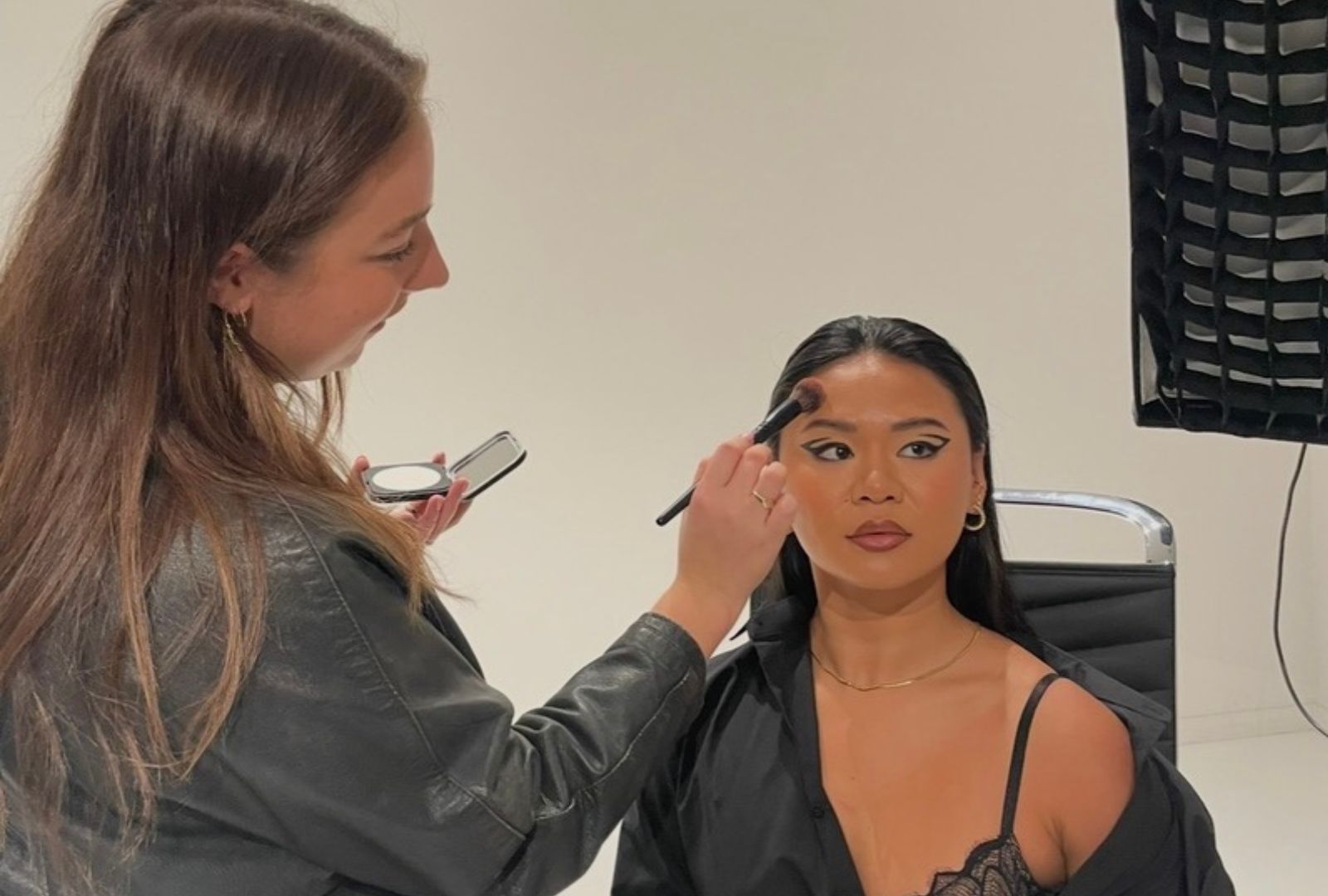
What’s the most unexpected skill (or hack) you’ve learned that aspiring hair and make-up artists might not expect?
One of the most unexpected skills I’ve learned is how important the “non-creative” side of the job is, especially as an assistant. Knowing a bit of everything is so valuable, from organising Excel spreadsheets to handling petty cash, continuity and general admin is a huge part of my job. That might be a bit of a boring answer, but I honestly really enjoy that side of the role. It keeps everything running smoothly and supports the whole team.
On a more creative note, a fun skill I didn’t expect to use on set was sewing. I love making things for family and friends, so when my team found out I could sew, they asked me to create some hair pieces for one of the characters. It ended up being such a fun little side quest and a great reminder that any extra skill you have can come in handy in this industry.
You worked on the upcoming film Beast alongside Russell Crowe and Luke Hemsworth. What made this project exciting for you and what do you hope audiences notice about the hair/make-up?
Working on Beast was an absolute blast. Quite SFX heavy, with fake tattoos, blood, sweat, and tears, it was incredibly fun getting my hands dirty. This was my first full-time assisting role on a film, so everything felt new and exciting, especially working alongside such a supportive and talented team of artists.
Being part of a project of that scale, with a strong cast and creative team, was truly inspiring. There was a big focus on reflecting the physical and emotional journey of the characters through makeup, which was especially important for a film centred around MMA. We went through plenty of fake blood and sweat and worked hard to maintain continuity during the massive fight sequences.
For the final fight scene, they even filmed during a real MMA event between the actual matches, so the crew had to work quickly and professionally to capture every shot within the limited time. I hope the audience comes away feeling immersed and maybe a little grossed out, because that’s how we know we’ve done our job right, haha!
Working on a fast-paced set like NCIS: Sydney, what does a typical day look like for you?
Working on a fast-paced set like NCIS: Sydney is always a high-energy experience. I worked additional days on the show, which is a little different from being part of the main team as an assistant, but still just as hands-on and important to the overall look of the production. Our days usually start very early in the morning, where we begin working through the extras. Because of the fast turnaround, on this particular show we don’t have a lot of time to spend on each individual, so the focus is on making sure they suit the brief for their character. That can involve anything from adjusting hair and make-up to checking for things like visible tattoos that need to be covered or removing anything distracting such as bright nail polish. Once everyone is ready, we do a line-up for the designer to approve all the looks. After approval, we take detailed continuity photos so that if the extras are needed across multiple days, we can recreate the exact same look seamlessly. Continuity is such a big part of the job, especially in a series like this where scenes are often shot out of order. From there, the additional team travels up to set to standby. While on set, we’re watching the monitors to see which of the extras are in shot and who needs touch-ups, watching for continuity issues, and making sure everything stays consistent under different lighting and throughout takes. It’s a lot of quick problem-solving and adapting on the spot. It’s a fast-paced environment, but that’s part of what makes it so exciting. Every day is different, and you’re always working as part of a team to keep everything running smoothly behind the scenes.
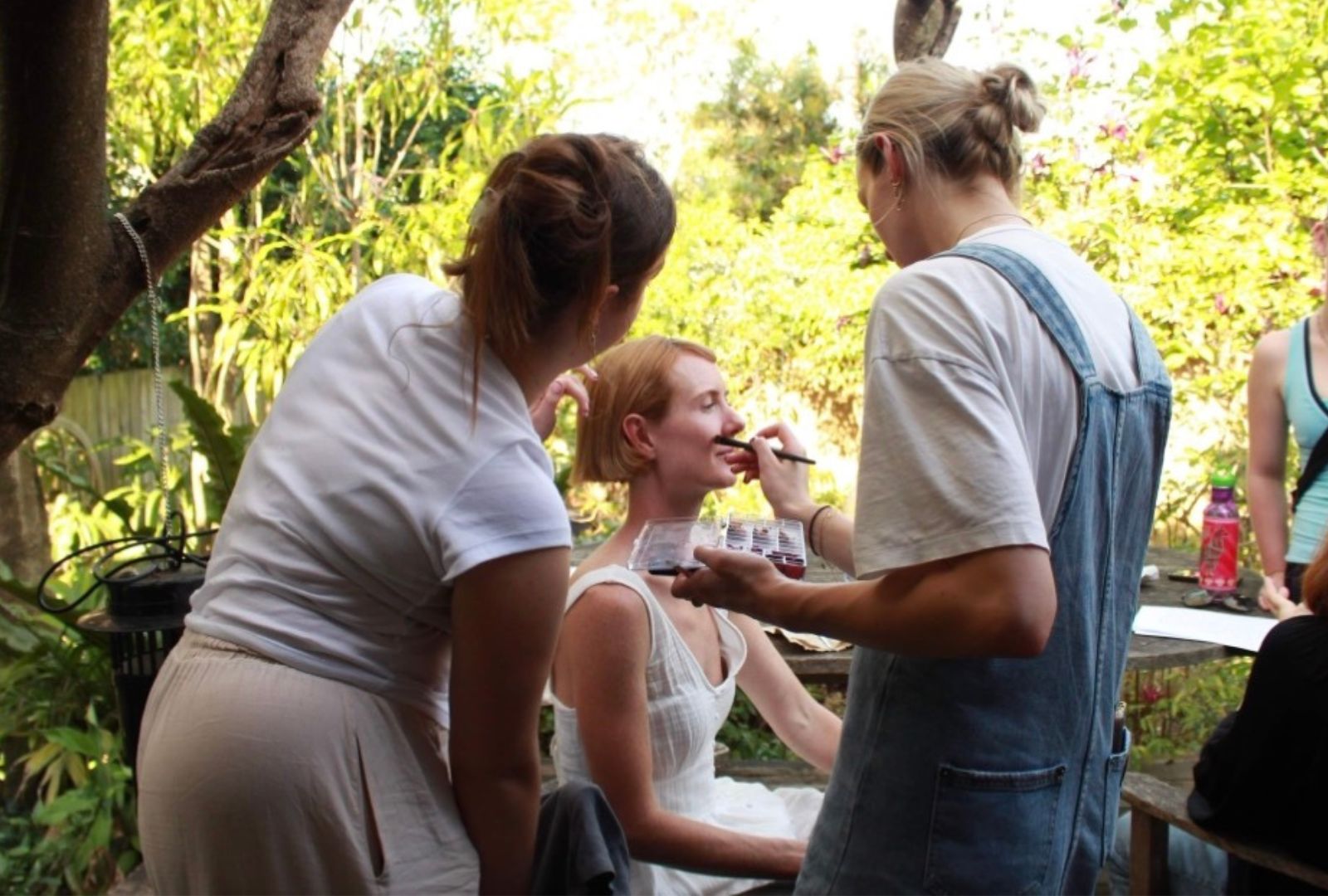
Glam or gore? Why?
Honestly, both. I think they’re equally important, and I genuinely enjoy working in both areas. That said, I probably get fewer opportunities to do really glam, polished looks, so when those jobs come up, I get especially excited about them. There’s something so satisfying about the precision and detail that comes with more glam looks, and I love the chance to really lean into that side of my skill set and create a flawless base or perfect smokey shadow. But at the same time, I really value having experience across both glam and SFX, they each challenge you in different ways and make you a more well-rounded artist.
Period or contemporary? Why?
I’d have to say period. I’ve always loved watching period pieces, so getting to work on something like that would be a big dream. There’s something so special about the level of detail and research that goes into it, it’s not just about making someone look good, it’s about reflecting a specific time and place. I also love how some shows, like Bridgerton, play with that a bit and don’t always stick strictly to historical accuracy. They take creative liberties with hair and make-up, and it ends up being really eye-catching and visually interesting. It shows how you can still honour the period while pushing things creatively. That balance between authenticity and artistic freedom is very satisfying to me, and it’s a big part of why period work appeals to me so much.
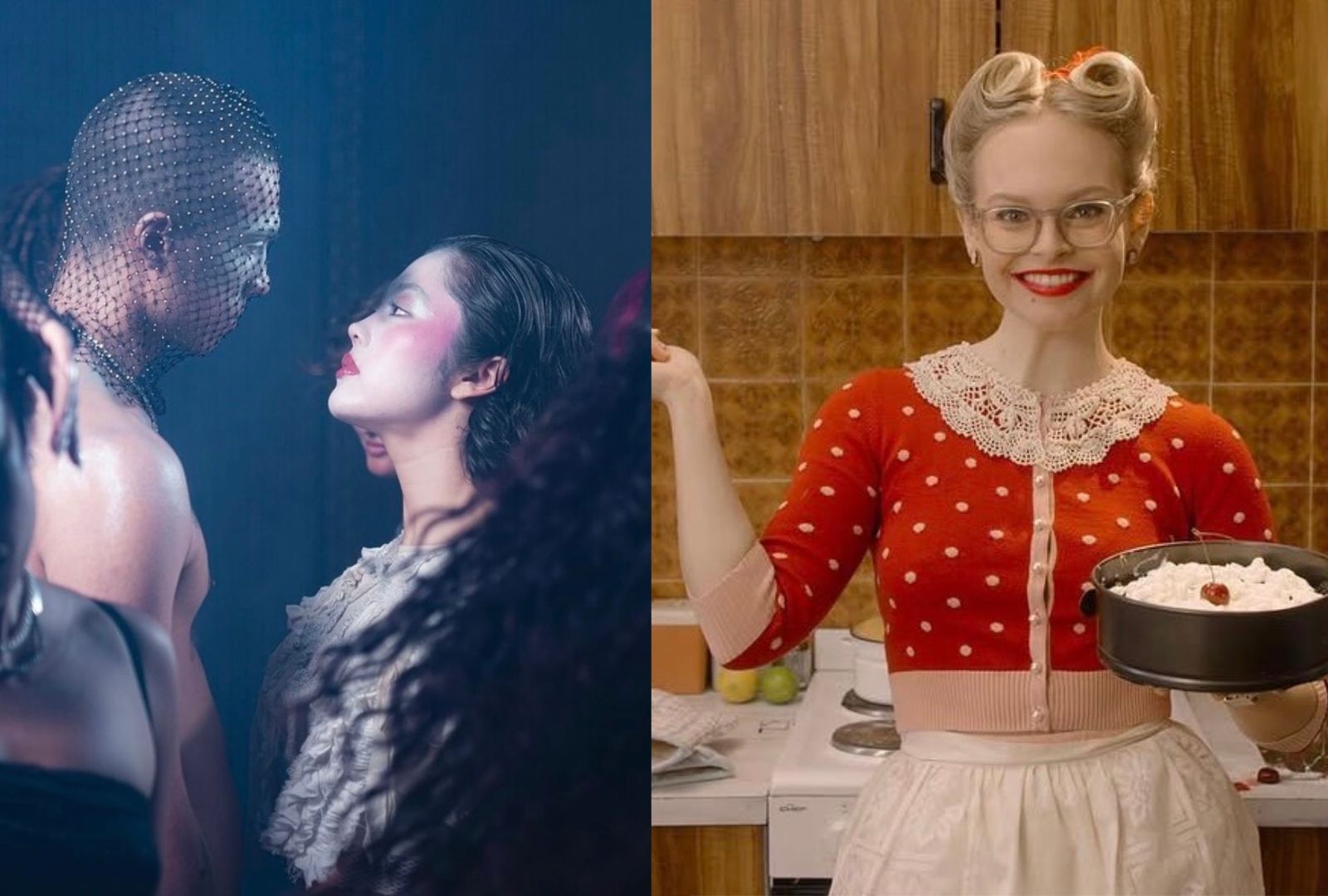
Are there any lessons from NIDA that you still lean on in your work today?
Definitely. My time at NIDA gave me such a strong foundation that I still rely on every day on set. One of the biggest things was time management and working under pressure. At NIDA, you’re often juggling multiple looks, and last-minute changes and only a short time with the talent in your chair. which is exactly what it’s like on a real set. Learning how to stay calm, organised, and adaptable has been invaluable. I also really lean on the collaborative mindset they encourage. You’re constantly working alongside directors, designers, and other departments, so understanding how to communicate clearly and contribute to a shared creative vision is so important. They also really emphasised the importance of storytelling through hair and make-up, not just making things look good, but making sure every choice supports the character and the world they exist in. That’s something that has stayed with me since and what I think back on most when working on short films and projects where I can step into the designer role.
What is the most rewarding part of your job?
The most rewarding part of my job is seeing everything come together on screen. There’s something special about being part of the behind-the-scenes process and then watching how all those small details contribute to the final story. I also find it really rewarding knowing that the work we do helps actors fully step into their characters. Even subtle changes can shift how someone feels and performs. Being part of that transformation is such a privilege, as well as being a calm and grounding presence for them in the morning in the makeup chair or onset. Another big part for me is the collaborative environment. You’re constantly working with such talented people across different departments, all contributing to the same vision, and there’s a real sense of teamwork on set. And honestly, there’s a lot of satisfaction in the problem-solving side of the job too, figuring things out quickly, adapting to changes, and still maintaining a high standard of work. It’s challenging, but that’s what makes it so fulfilling.
Open Day will be held Saturday 13 June, 2026. Register now.