
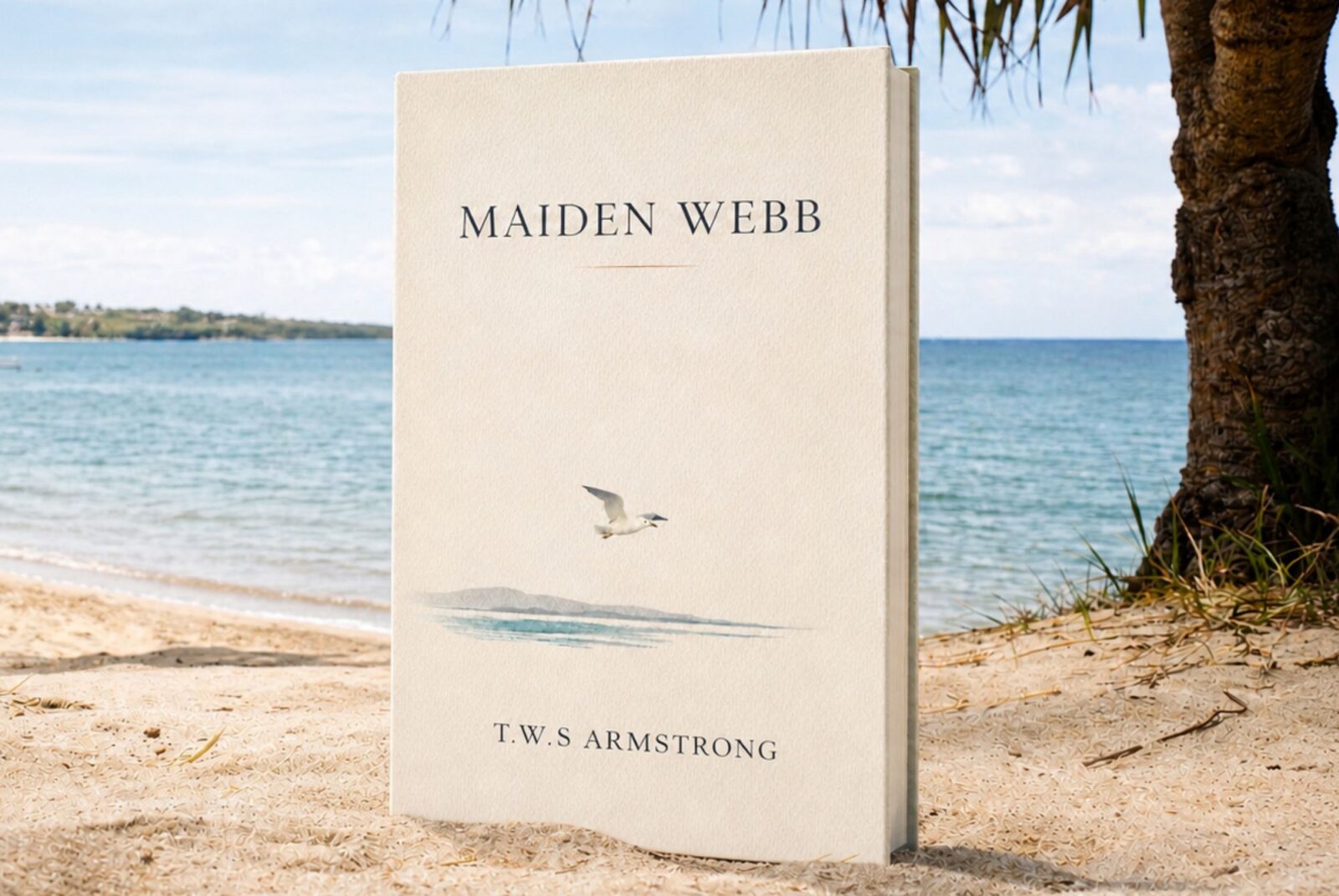
After decades working across design, producing and storytelling, NIDA alum Troy Armstrong (Design, 1997) has published his debut novel, Maiden Webb. Inspired by his own family history, the autobiography is a love letter to the bayside community of Wynnum. We caught up with Troy to discuss the journey from stage to page, writing with a designer’s eye and why collaboration remains at the heart of his creative practice.
Congratulations on publishing your debut novel Maiden Webb. What inspired you to tell this story about the Webb sisters and Wynnum?
I wanted to preserve not only my family’s history, but also the character of ‘Wynnum’ as a bayside community built on resilience, kindness, and an unspoken belief that neighbours looked after one another.
Why is now the right time to tell this story?
Today, we’re living in another period where many families are feeling the pressures of the cost of living and uncertainty. While the circumstances are different, the themes are surprisingly familiar. Maiden Webb reminds us that hardship doesn’t define a family, but love, humour, resourcefulness and sticking together do.
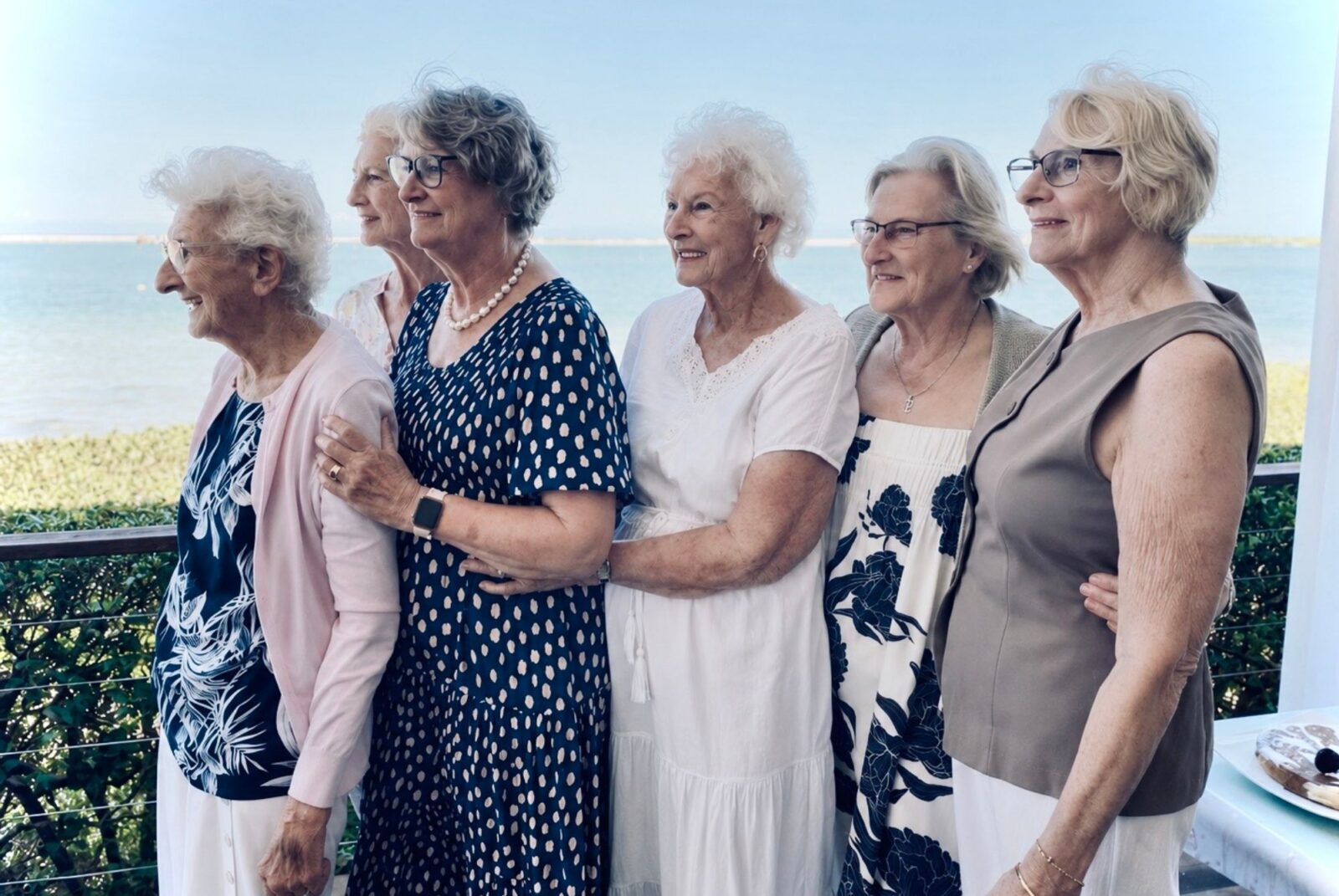
Why do you believe this story resonates with so many Australian families?
Almost everyone has a grandmother who made something out of nothing, a grandfather who worked hard without a complaint, an aunt who held the family together, or a neighbour who knew your name. The stories are personal, but they’re also part of our shared identity.
Do you have a favourite chapter?
I would say that writing the chapter of my Uncle Mervyn’s misadventure, he was the only brother to the six sisters, his stories are written through out the book but his own chapter which opens the book. It was exciting to write as it’s in first person, collated from newspaper articles and what I already knew about the him. I took some creative freedom to put the reader in the fateful event that you can read about in detail.
Your career has spanned design, writing and producing across theatre, festivals and now publishing. Looking back, do you see a common thread connecting all your creative work?
I don’t think I’ve ever been interested in creating something simply because it looks beautiful. I’ve always wanted audiences to feel and now read something, to laugh, to cry, to remember someone they love, or to see the world a little differently when they leave.
Does your training and career as a designer influence the way you build/tell a written story?
I also write visually. I want readers to see the weatherboard houses, smell the sea air at Wynnum, hear the footsteps along Bay Terrace and feel as though they’re sitting at the Webb family’s kitchen table. My design background taught me that detail creates an atmosphere, and an atmosphere evokes emotion.
Looking back at your time at NIDA, is there a lesson that has stayed with you throughout your career?
I think true creativity happens in the spaces between course disciplines. Some of the best ideas and collaborations come from borrowing a little from one craft and applying it to another. That’s probably been the defining thread of my career.
Maiden Webb is available to purchase here.