
Dramatic Writing student Sheanna Russon is preparing to bring audiences into the resonant and lyrical world of Afterglow, a new work exploring gender identity, belonging and connection through the tradition of barbershop harmony. We spoke with Sheanna about the themes of Afterglow, how she approached writing a four-part a capella harmony and how her writing practice is evolving through her NIDA studies.
Afterglow centres on barbershop harmony, which has such a specific culture, what research did you do to capture that world authentically? How do you then subvert it?
My co-creator Lillian Hearne came to the process with extensive experience and before we started writing, I attended a national convention. I was caught by the beauty of the sound, the intimacy of the music and the wonderful community that connected around this long-running tradition. Alongside this, my co-creator gave me a crash course on the sound and the big moments that defined international competition, not only traditionally but also the boundary-pushing artists across the world.
There’s a tension between tradition and change running through the story, how did you approach writing that conflict?
A driver of this show was how fascinating it is to find your womanhood within a men’s space. You are pushing up against expectation constantly, and men’s spaces that celebrate sensitivity can be rare. By having characters across generations and political ideologies, we are able to give touchpoints for many different demographics to hold onto the journey of our leads.
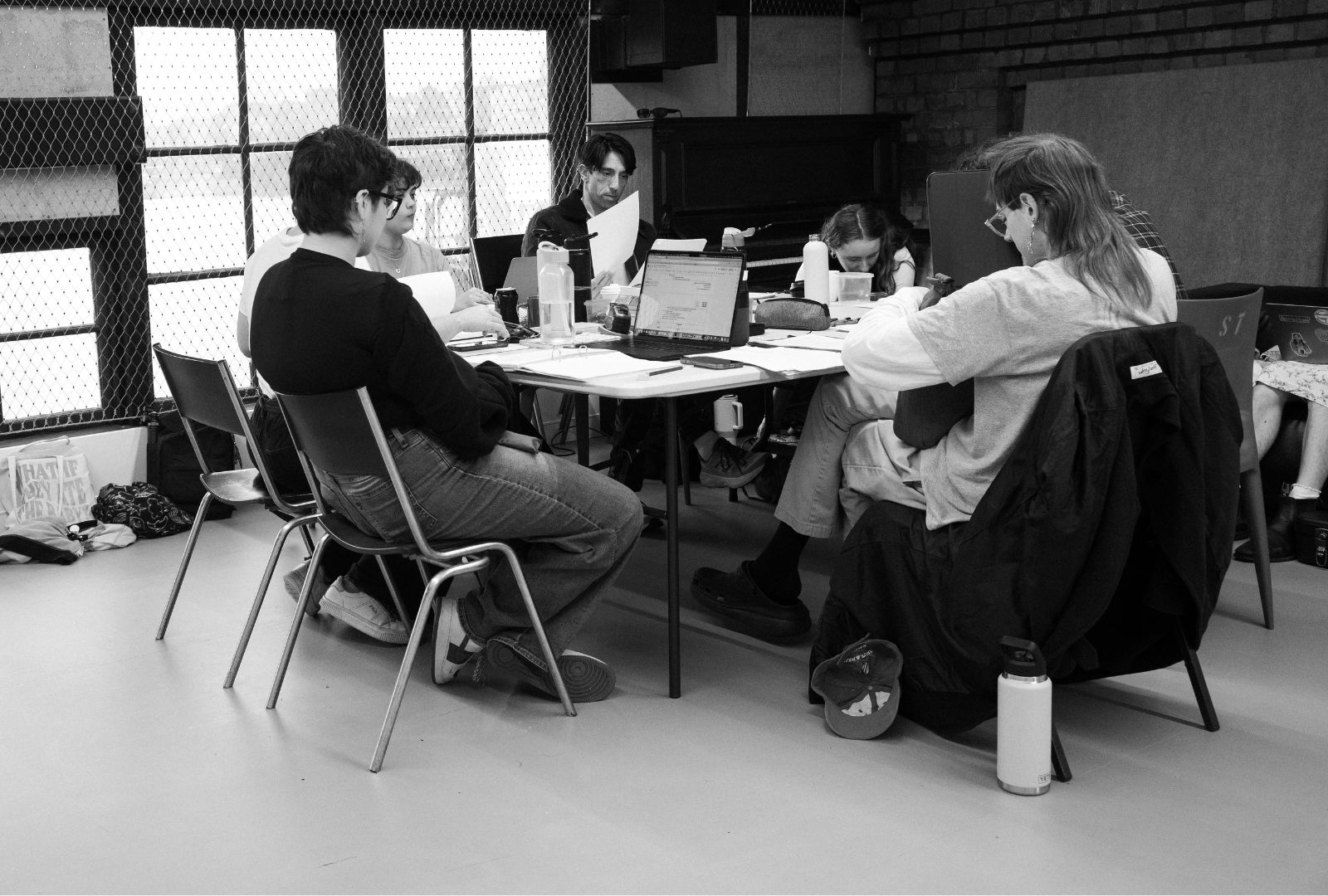
The piece is sung in a four-part a cappella harmony, how does that influence your storytelling and structure as a writer?
The show is close to 60 percent sung in a capella harmony which was a daunting task at first. But we wished for the music to be didactic in nature. Anytime there is an instrument, there is a real-world reason for there to be one. It was incredibly important for us to capture how it feels to have the sound of voices live in space. It is such a unique part of how people can connect. It has been interesting because it is music that invites you in, and being mostly voice, the lyrics are incredibly on display. It makes the music raw and lush in sound while inviting people into a very intimate space.
The show raises questions about who gets to participate in traditionally male spaces. Why is this an important theme in 2026?
As we tackle the male loneliness epidemic, it’s important to have healthy spaces for people of all genders to connect and foster positive dynamics of intimacy that are platonic. So often, women and trans women are reduced to whether they are a romantic or sexual object of desire and that is the only way they are to be interacted with. But with how gendered and segregated social settings like sports are, having something like singing where people can connect helps to break down those barriers and humanise people.
What do you hope audiences take away from Afterglow?
One is trans joy. I want trans people to feel seen and heard. I also want to open cross-generational conversations. Being trans can feel so isolating as the media our families ingest is so geared against us. By sitting in reflection, with a show that invites people to laugh and cry and empathise with the trans experience, if I can help one parent or grandparent understand their child a little better, then we’ve succeeded.
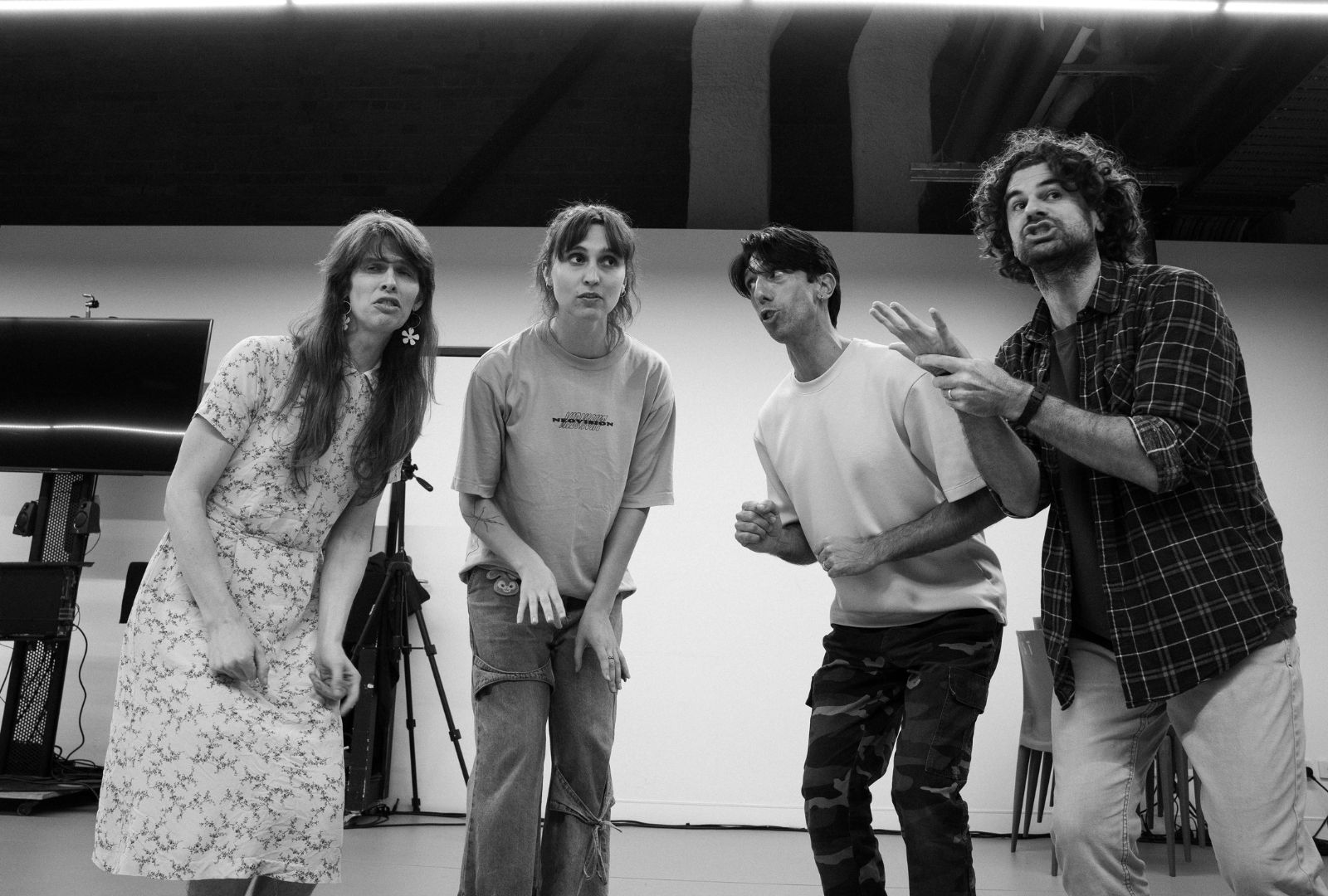
How has your training at NIDA shaped the way you approach writing for performance, particularly in a musical form?
NIDA came at the perfect time for me. Getting to delve into the theory of story structure as I honed the later drafts of Afterglow gave me the awareness of what I was doing to make this show the best it could be. The way the Masters is built is so focused on cultivating the voice you have and supplying the tools to harness that voice in an efficient way. That added with the luxury of being immersed in the artistic process of writing everyday has made me so much better at writing through practice and knowledge.
The advice I will carry always is “the only job of the first draft is to exist”. Having the permission to throw away the fear and expectation and make, and then following that with the tools to craft that output has made me so much more fearless in my writing.
Afterglow is presented by Griffin Theatre Company and is playing at Belvoir St Theatre Company from 9 – 25 July. Tickets are available now.
Find out more about NIDA’s Masters of Dramatic Writing and apply now.