
Behind every unforgettable character is a passionate hair and make-up artist, skilled in storytelling through visual transformations. Last month NIDA appointed Cynthia Simango as Senior Lecturer for the Diploma of Screen and Media Specialist Make-up Services, a dedicated creative leader with expertise in curly and textured hair. We asked Cynthia to weigh in with her observations on the evolution of the industry as well as what foundations remain timeless and how this course prepares students for careers across film, television, theatre and more.
Congratulations on your appointment as Senior Lecturer for NIDA’s Screen and Media Specialist Make-up Services. What does this role mean to you?
This appointment is both an honour and a responsibility. It reflects many years of teaching, learning and working across education, healthcare and the creative industries, and it reinforces my belief that education has the power to shape lives.
As the first Black person to lead this course at NIDA, I’m honoured by what this appointment represents, not just for me, but for the students and the future of our industry. More importantly, I hope it reflects the direction our industry continues to move, one where excellence is strengthened by embracing different perspectives, experiences and ways of telling stories.
I’ve always believed that the best learning environments are those where students feel seen, challenged and supported. When people from different backgrounds learn alongside one another, everyone benefits. It produces stronger artists, better collaborators and richer storytelling.
Ultimately, I hope my appointment reflects NIDA’s commitment to developing graduates who are not only technically excellent, but also thoughtful, adaptable and prepared to contribute to an industry that continues to evolve. If this role encourages even one aspiring creative to believe there is a place for them in this profession, then I believe that’s a positive step for all of us.
How does this course and NIDA’s learning environment prepare students for the realities of working on film, television and theatre productions?
The industry moves quickly, and our students experience that from day one.
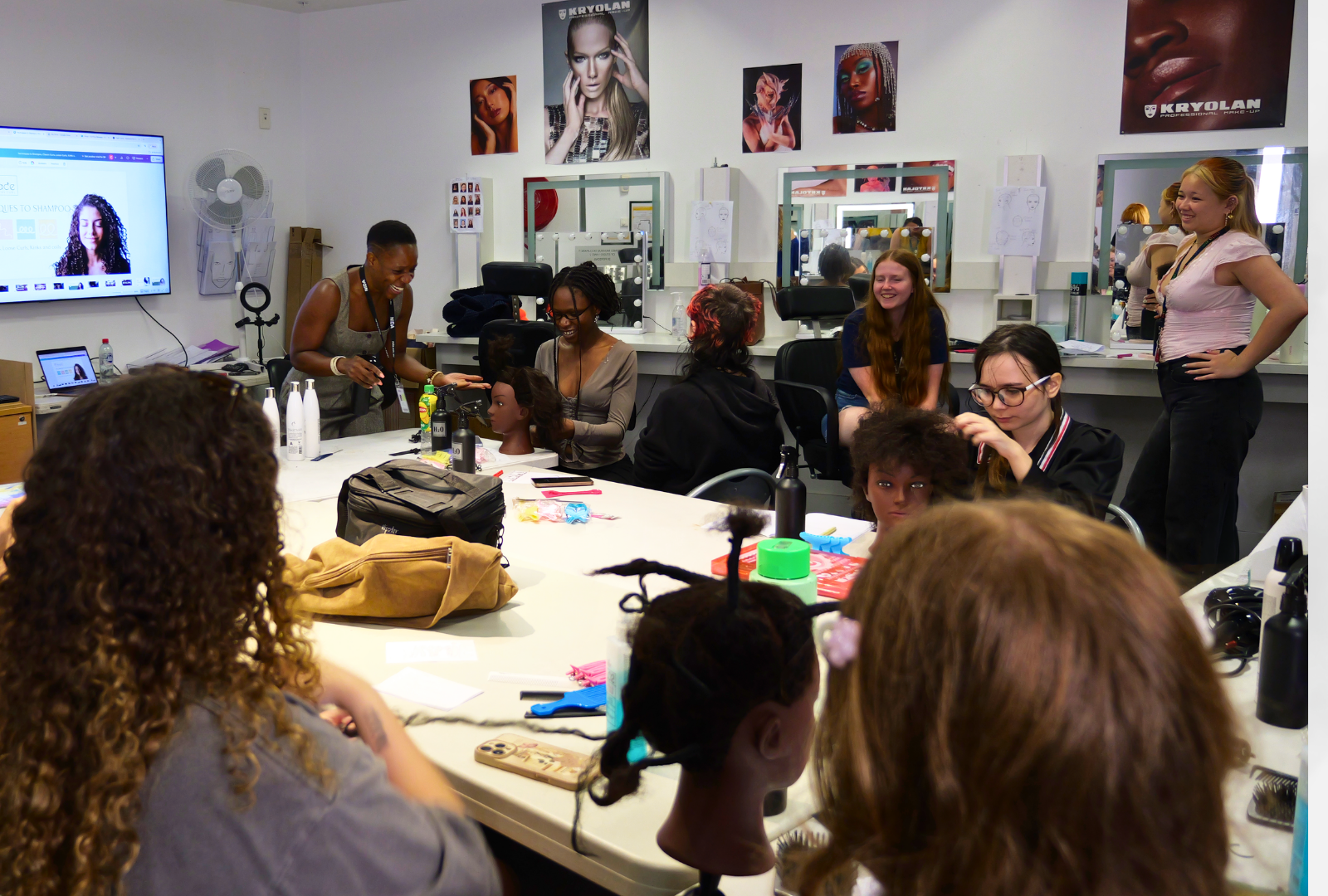
They learn how to work under pressure, collaborate with directors, costume designers, producers and actors, manage continuity, communicate professionally and solve problems in real time.
Our students work on productions that replicate industry expectations, developing the professionalism and adaptability employers look for. Whether they graduate into feature films, television, streaming platforms, theatre or editorial work, they’re already familiar with the pace, standards and teamwork required to succeed.
I have also brought in tutors who are experts in the industry from a range of cultural backgrounds. This ensures students are learning not only from technical specialists, but from professionals with lived cultural experiences that reflect the diversity of the industry they are entering. It helps students understand different perspectives, approaches and practices, and prepares them to work respectfully and confidently with a wide range of performers and colleagues.
What do you think the industry needs that NIDA’s course is providing?
The industry is asking for artists who are technically versatile, culturally aware and genuinely prepared to work with the diversity of people and stories we see on our screens today.
Audiences expect authenticity. Productions are more diverse than ever before, and performers deserve hair and make-up artists who can work confidently across all skin tones, hair textures and cultural identities. What excites me is that NIDA isn’t treating these as specialist skills or optional learning, they’re part of every student’s foundation. Our goal is for every graduate to leave with the confidence and technical ability to work with anyone who sits in their chair.
NIDA has demonstrated real leadership in this space through initiatives such as its partnership with Netflix and its continued commitment to ensuring students are prepared for the realities of today’s screen industry.
My hope is that this approach encourages broader conversations across the industry about how we educate the next generation of artists. When inclusive practice is embedded into core training, rather than treated as an add-on, everyone benefits, our students, our performers, our productions and, ultimately, the stories we tell.
What do you want to change or improve to keep NIDA at the forefront of hair and make-up education?
My vision is to continue evolving the course alongside the industry.
That means strengthening education around textured hair, inclusive make-up practices, cultural competency, prosthetics, digital production workflows and emerging technologies while maintaining the exceptional technical standards NIDA is known for.
I’m passionate about building stronger partnerships with industry, inviting leading artists into the classroom and ensuring our curriculum reflects what productions need now, not what they needed ten years ago.
I also want every student to leave understanding that technical skill and empathy go hand in hand. The best artists don’t just transform appearances, they also build trust.
As someone with expertise in textured hair, why is it essential that every emerging hair and make-up artist is confident working across all hair types?
Hair carries history, culture, identity and personal confidence.
When an artist doesn’t understand a particular hair texture, the impact extends beyond the hairstyle and can affect how a performer feels and ultimately the story being told on screen.
Every actor deserves to sit in a chair knowing the artist is confident working with their hair.
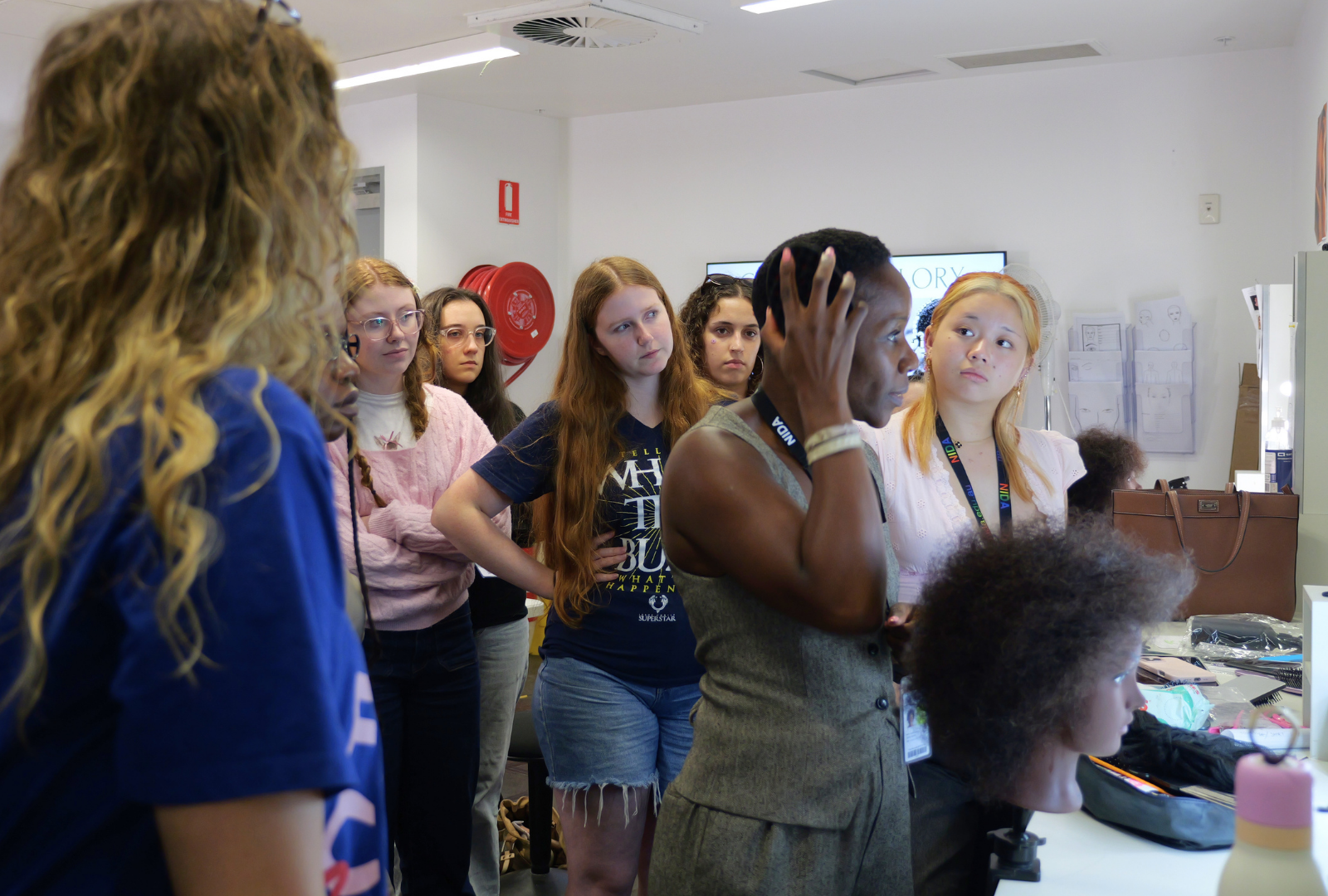
Teaching textured hair isn’t about adding another skill; it’s about completing an artist’s education. Whether it’s straight, wavy, curly, kinky-coily or tightly textured hair, every graduate should be equally confident creating beautiful, authentic work across all hair types.
That’s what the modern industry requires, and that’s what our students deserve to learn.
What’s one lesson you’ve learned working behind the scenes that you hope every student takes with them into their own career?
Never stop learning.
The artists who enjoy long, successful careers are the ones who stay curious, humble and willing to grow.
Treat every person with respect, be reliable, arrive prepared and remember that your reputation follows you long after a production wraps.
Another important lesson I’ve learned and observed is that at the core of it, everyone just wants to be seen as human, heard and understood. This is not just a personal truth, but a professional one. It sits at the heart of why we must train our students to confidently work with the full diversity of talent represented in the industry. As artists, we are not only creating looks, but we are also engaging with people. Our work must reflect that same humanity, care and awareness. When students understand this, they begin to see that technical skill alone is not enough; it is their ability to connect with and respect the person in their chair that truly defines their artistry.
Technical skills may open the first door, but professionalism, kindness and consistency are what build lasting careers.
Technology, products and audience expectations are constantly changing. How do you ensure students graduate with skills that will keep them relevant throughout their careers?
Our responsibility isn’t simply to teach today’s techniques, it’s to teach students how to continue learning throughout their careers.
We are also very open to technology and the way the world is evolving. We are actively exploring and incorporating new tools, digital workflows and emerging technologies to better prepare our students for the future of the industry. The landscape is shifting rapidly, and it is important that our training reflects that reality.
However, one thing will always remain true: a strong foundation in the core principles of hair, make-up, skin, colour theory, anatomy and character design is essential. When students truly understand these fundamentals, technology becomes an enhancement rather than a replacement. It is the icing on the cake, elevating and supporting a cohesive, holistic learning experience rather than defining it.
By combining timeless foundations with forward-thinking innovation, we ensure our graduates are industry-ready today, adaptable and confident for whatever the future brings.
For someone considering the Diploma of Screen and Media Specialist Make-up Services, what would you say to inspire them to take that first step?
If you’ve ever watched a film or television series and wondered how characters become so believable, this is where that magic begins.
At NIDA you will join a creative community that challenges you to grow, collaborate and discover what you’re capable of.
Whether your passion is beauty, prosthetics, wigs, special effects, editorial work or character design, you’ll graduate with practical experience, industry connections and the confidence to build a meaningful career.
We believe storytelling is at its best when it reflects a wide range of voices and experiences. That’s why we welcome students from all backgrounds and encourage different perspectives in the work we create together.
So, I am inviting you to bring your creativity, bring your perspective and start your journey in becoming part of that change while developing the creative skills you already love.
And if you’ve ever wondered whether someone like you belongs in this industry, my answer is simple: you absolutely do.
Stories are richer when the artists creating them come from many different backgrounds and experiences. Your perspective matters, your creativity matters, and we’d love to help you develop both.
Applications for NIDA’s Diploma of Screen and Media (Specialist Make-up Services) are now open, apply before Monday 26 October 2026.